
How to Prepare Your Construction Site for Atlantic Canada's Weather Conditions
Understanding Atlantic Canada's Unique Weather Challenges
Atlantic Canada is known for its unpredictable weather, ranging from heavy rain and snow to strong winds and freezing temperatures. Preparing your construction site to withstand these conditions is crucial for maintaining safety and ensuring project success. The key is to be proactive and adaptive in your planning.
Understanding the specific weather patterns in your area can help you anticipate potential challenges. This knowledge will enable you to implement effective strategies for weatherproofing your construction site. Always keep an eye on weather forecasts and adjust your plans accordingly.
Site Preparation and Evaluation
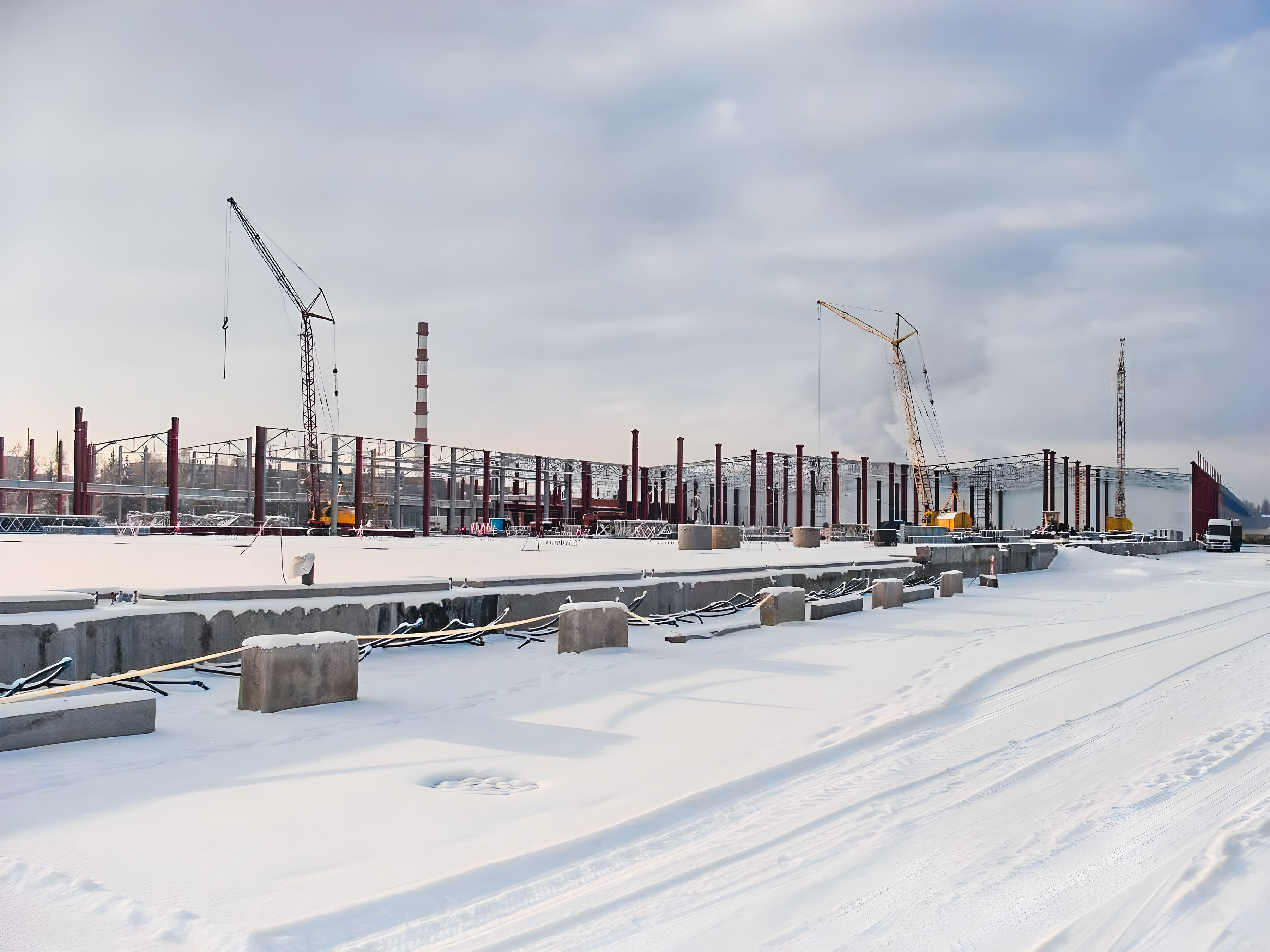
Before starting any construction project, a thorough site evaluation should be conducted. This involves assessing the terrain, soil stability, and drainage systems. These factors are crucial for preventing issues like flooding or erosion, which are common in Atlantic Canada's wet climate.
Ensure that you have a solid foundation by addressing any potential drainage issues. Installing proper drainage systems can prevent water accumulation that might lead to structural damage. Additionally, evaluate the site for wind exposure and take steps to protect against potential wind damage.
Choosing the Right Materials
Material selection plays a significant role in weatherproofing your construction site. Opt for materials that are specifically designed to withstand harsh weather conditions. For instance, using weather-resistant concrete and steel can enhance the durability of your structures.
- Use treated lumber for wooden structures to prevent rot and decay.
- Select roofing materials that can withstand high winds and heavy snowfall.
- Consider corrosion-resistant metals for structural elements.

Implementing Weather Protection Measures
Implementing protective measures can significantly reduce the impact of adverse weather conditions on your construction site. This includes installing temporary shelters or enclosures to protect both workers and materials from the elements.
Ensure that all equipment and materials are securely stored and protected from wind and moisture. Cover exposed areas with tarpaulins or plastic sheeting and use sandbags or weights to keep them in place.
Safety Protocols and Training
Safety should be a top priority on any construction site, especially in regions with challenging weather conditions. Develop comprehensive safety protocols that address specific weather-related risks and ensure all team members are trained to follow them.
- Conduct regular safety drills to prepare for emergencies.
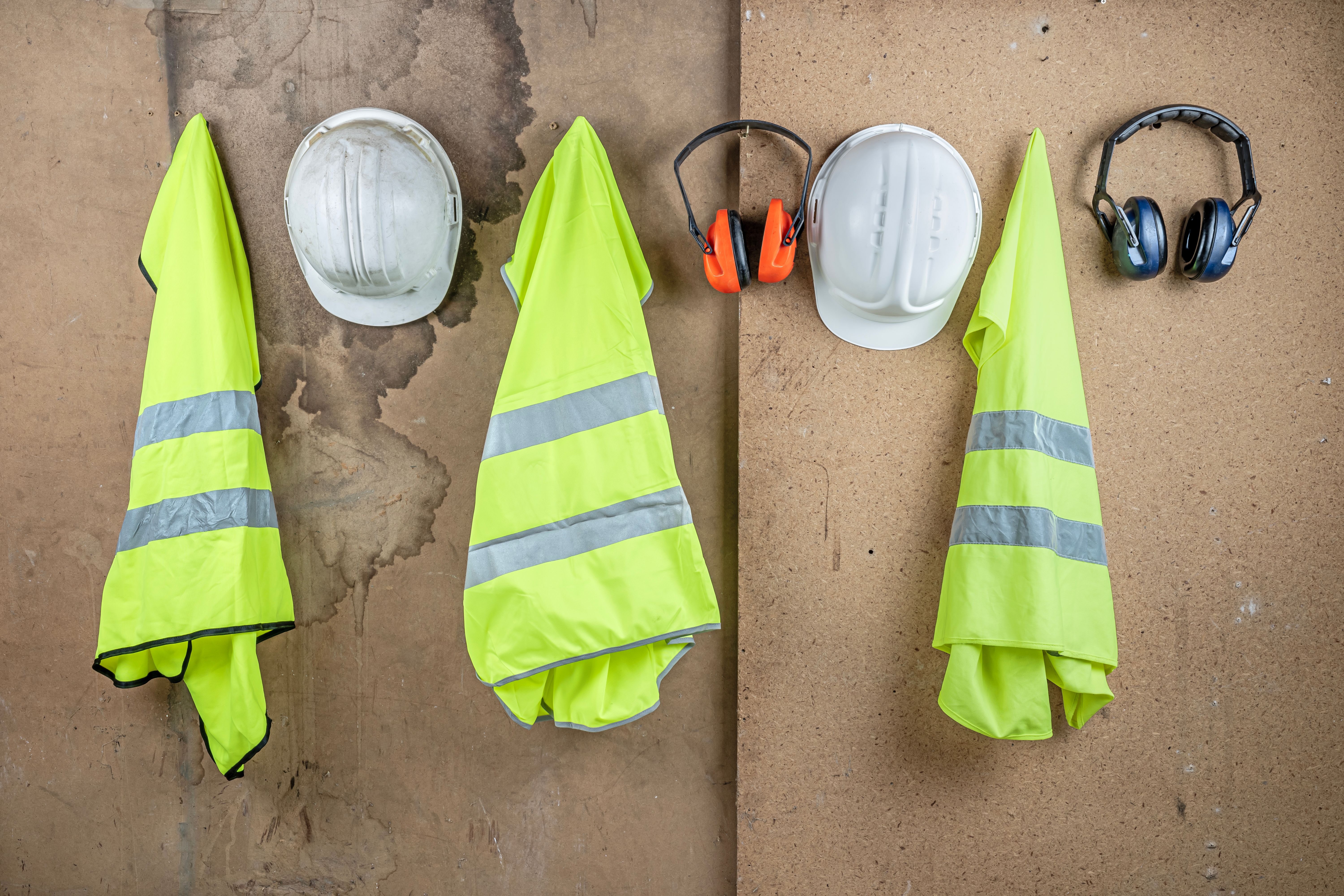
- Equip workers with appropriate weather-resistant gear.
- Implement a communication plan to keep everyone informed of weather changes.
Monitoring and Adjusting Plans
Continuous monitoring of the weather and site conditions is essential. Use technology such as weather apps and sensors to receive real-time updates and be ready to adjust your plans as needed. Flexibility is crucial for adapting to sudden weather changes.
By taking proactive steps and staying informed, you can effectively prepare your construction site for Atlantic Canada's challenging weather conditions. This not only ensures the safety of your workers but also contributes to the overall success and longevity of your construction project.