
Comprehensive Guide to Construction Video Monitoring for Insurance Purposes
Introduction
In the construction industry, video monitoring has become a crucial tool for both management and insurance purposes. As construction sites are often high-risk environments, having a reliable video monitoring system can significantly mitigate potential issues. This guide delves into how video monitoring can be utilized effectively for insurance purposes.

Why Video Monitoring is Essential
Construction sites are prone to accidents, theft, and vandalism. Video monitoring provides real-time surveillance, ensuring that any incidents are recorded for future reference. This not only aids in resolving disputes but also serves as evidence when filing insurance claims.
Insurance companies often require detailed documentation to process claims. Video footage can offer an unbiased account of incidents, facilitating a smoother claims process. Moreover, having a robust video monitoring system can potentially lower insurance premiums as it reduces risk.
Features to Look for in a Video Monitoring System
When selecting a video monitoring system for construction sites, consider the following features:
- High-Resolution Cameras: Capture clear images to identify details.
- 24/7 Monitoring: Ensure continuous surveillance to cover all times.
- Remote Access: Manage and view footage from anywhere using mobile devices.
- Motion Detection: Alert system to any unusual activity.
Implementation of Video Monitoring Systems
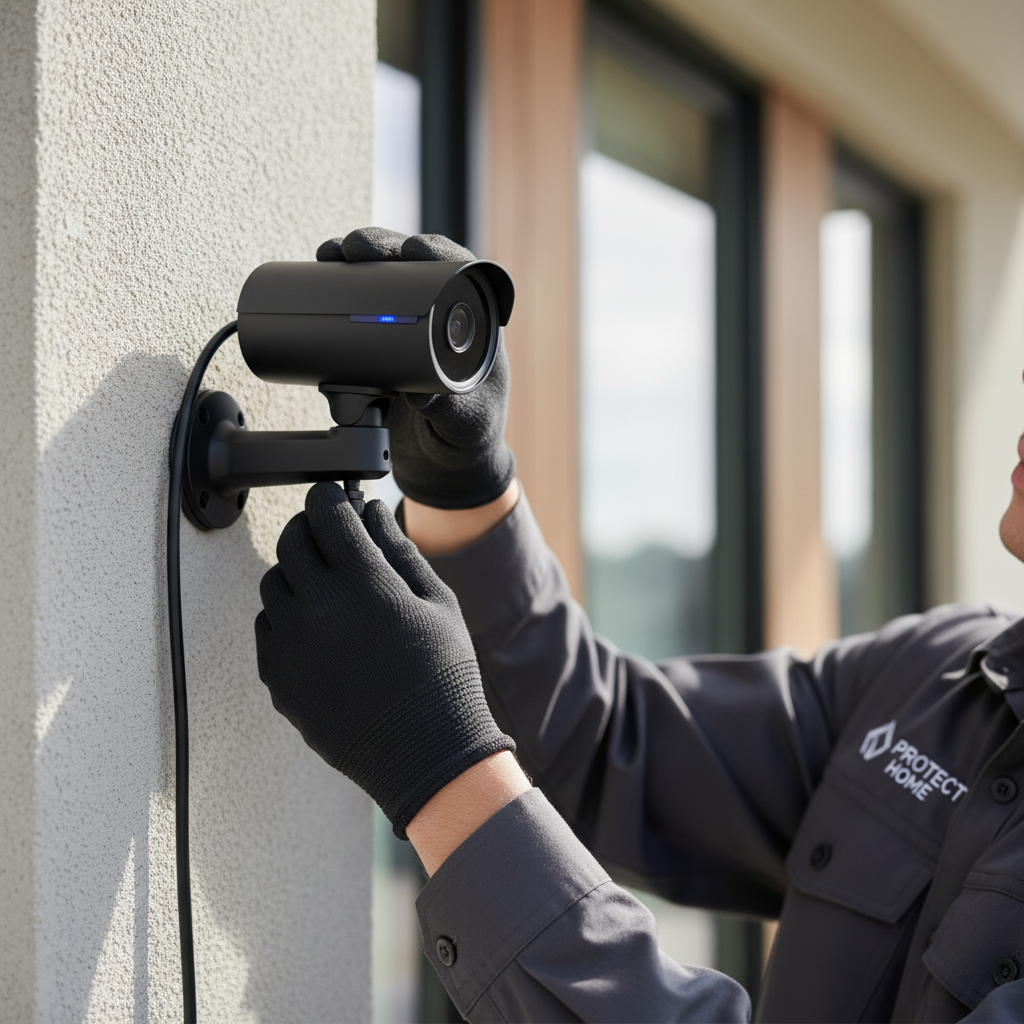
Implementing a video monitoring system involves strategic placement of cameras to cover all critical areas. It's essential to work with experts to ensure optimal coverage and functionality. Additionally, regular maintenance is crucial to keeping the system operational and effective.
Integrating video monitoring with other site management tools can further enhance security measures. For example, connecting the system with access control can offer a comprehensive security solution.
Legal Considerations and Compliance
When deploying video monitoring systems, it's crucial to comply with local laws and regulations regarding privacy and surveillance. This may involve informing workers about surveillance and ensuring that cameras do not invade personal privacy.

Consulting with legal professionals can help ensure compliance and avoid potential legal issues. Proper signage notifying individuals of video monitoring can also serve as a deterrent against misconduct.
Benefits Beyond Insurance
Beyond facilitating insurance claims, video monitoring systems offer additional benefits. They can improve operational efficiency by providing insights into daily activities and identifying areas for improvement. Additionally, they enhance safety by monitoring adherence to safety protocols and identifying risks before they escalate.
Furthermore, having a robust security system can enhance a company's reputation, showcasing commitment to safety and professionalism.
Conclusion
Video monitoring is an invaluable asset for construction sites, offering protection, evidence, and peace of mind. By understanding its benefits and implementing it effectively, construction companies can safeguard their operations and ensure smoother insurance processes. Investing in a quality video monitoring system is an investment in security and efficiency.